

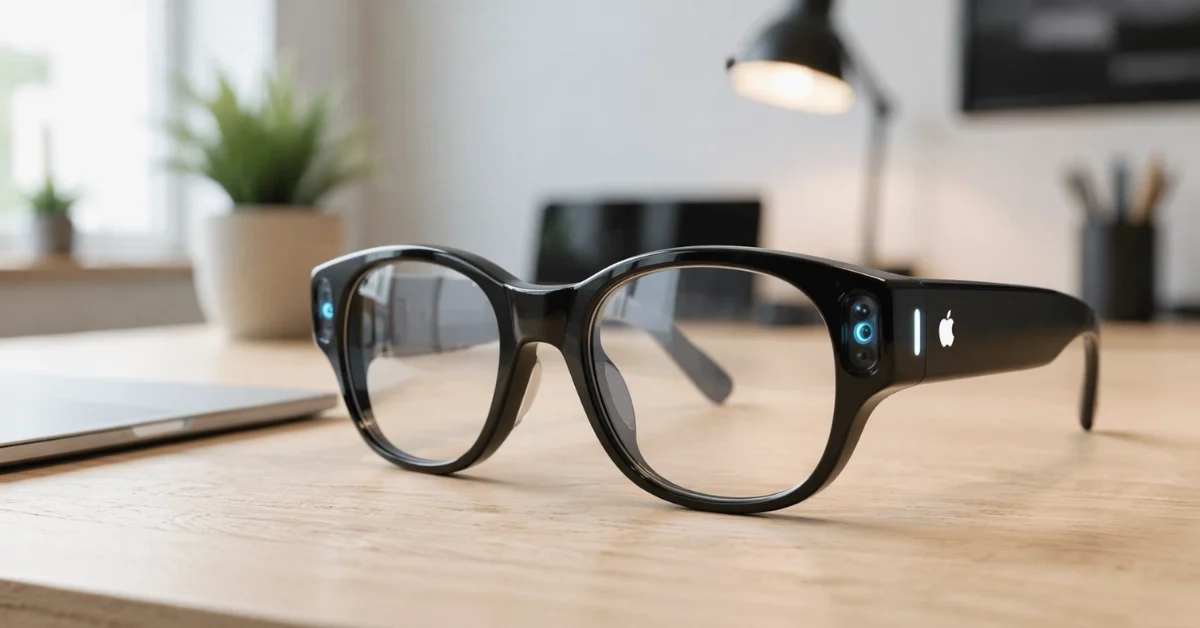
Apple AI smart glasses are actively undergoing internal testing, with the technology giant exploring multiple prototype designs ahead of an anticipated late 2026 production window. Recent leaks indicate that the highly anticipated wearable device will focus heavily on artificial intelligence rather than fully immersive augmented reality. The upcoming eyewear aims to provide practical everyday utility by seamlessly syncing with the iPhone to handle daily tasks and deliver real-time environmental data.
Instead of relying on bulky internal screens, the company is reportedly developing a display-free wearable that directly competes with existing market options. Industry reports suggest the brand is aggressively pushing toward a late 2026 showcase, leading into a potential widespread consumer launch in early 2027. This timeline aligns with a broader strategy to introduce lightweight, accessible devices that integrate advanced digital assistants seamlessly into daily life.
Four Distinct Frame Styles
Internal development teams are currently evaluating at least four distinct frame styles for the new wearable device. Unlike competitors who have partnered with established eyewear manufacturers to handle exterior styling, the company is designing these frames entirely in-house. This strategy allows complete control over the final aesthetic, ensuring the product maintains the brand’s instantly identifiable visual identity.
The first prototype currently undergoing testing features a large rectangular frame that closely resembles a classic eyewear aesthetic. A second, noticeably slimmer rectangular option takes direct design inspiration from the personal eyewear favored by the company’s current leadership.
For users preferring softer geometric lines, the engineering team is testing two rounded variations. One prototype offers a larger oval or circular frame to accommodate different face shapes. Meanwhile, a smaller, highly refined circular option mirrors the iconic glasses famously worn by the company’s late co-founder. It currently remains unclear if the brand will ship all four design options to the public, or if the selection will be narrowed down prior to the final manufacturing phase.
Premium Materials and Color Choices
Durability and high-end aesthetics remain central to the hardware development process. Reports indicate the engineering team is utilizing premium materials such as high-grade acetate for the prototype frames. This specific material choice aims to provide a more robust, comfortable, and luxurious build quality compared to rival devices that are primarily constructed from standard industrial plastics.
Beyond the core structural materials, hardware testing involves multiple distinct color finishes to appeal to a wide consumer base. Current prototypes are actively being evaluated in a classic black, a vibrant ocean blue, and a subtle light brown. These choices suggest a strong focus on delivering versatile fashion options alongside the advanced technological capabilities housed within the frame arms.
Advanced Camera and Hardware Integration
The hardware driving these new wearables represents a significant shift in mobile technology hardware. A highly unique camera setup is currently under consideration, featuring sophisticated oval lenses oriented vertically on the frame. This specific configuration includes surrounding illumination lights, marking a distinct visual departure from the simple circular camera cutouts seen on competing smart eyewear products.
Built-in cameras will work alongside highly sensitive integrated microphones and discreet internal speaker systems. This sensory array allows users to easily capture high-resolution photos and record video completely hands-free. Additionally, the audio system will support high-fidelity music playback, two-way phone calls, and audible notification delivery directly to the user’s ears without requiring earbuds.
At the core of the device’s functionality is deeply integrated artificial intelligence. The onboard digital assistant will actively utilize the external cameras to visually analyze the wearer’s exact surroundings. Users will be able to ask complex, context-aware questions about their immediate environment, receiving instant, highly accurate audio responses processed in conjunction with a paired smartphone.
Expanding the Wearable Ecosystem
The strategic pivot toward display-free smart eyewear highlights a broader shift in consumer wearable computing. By actively removing the need for heavy, power-draining augmented reality displays, the company aims to deliver a sleek, affordable alternative to their premium mixed-reality headsets. This streamlined approach strongly prioritizes lightweight comfort and practical, all-day usage over highly immersive but isolating digital experiences.
Alongside the highly anticipated eyewear, internal development teams are reportedly exploring multiple additional artificial intelligence wearables to build out a new product category. These experimental projects include an updated version of wireless earbuds equipped with miniature external cameras, as well as a wearable smart pendant device designed to seamlessly clip onto everyday clothing.
Each of these upcoming devices shares a heavily unified vision: keeping users connected to powerful artificial intelligence models without requiring them to constantly look down at a traditional mobile screen. As the late 2026 production target rapidly approaches, the industry closely anticipates further refinements to the hardware configurations and software systems powering this next major generation of mobile computing.
