

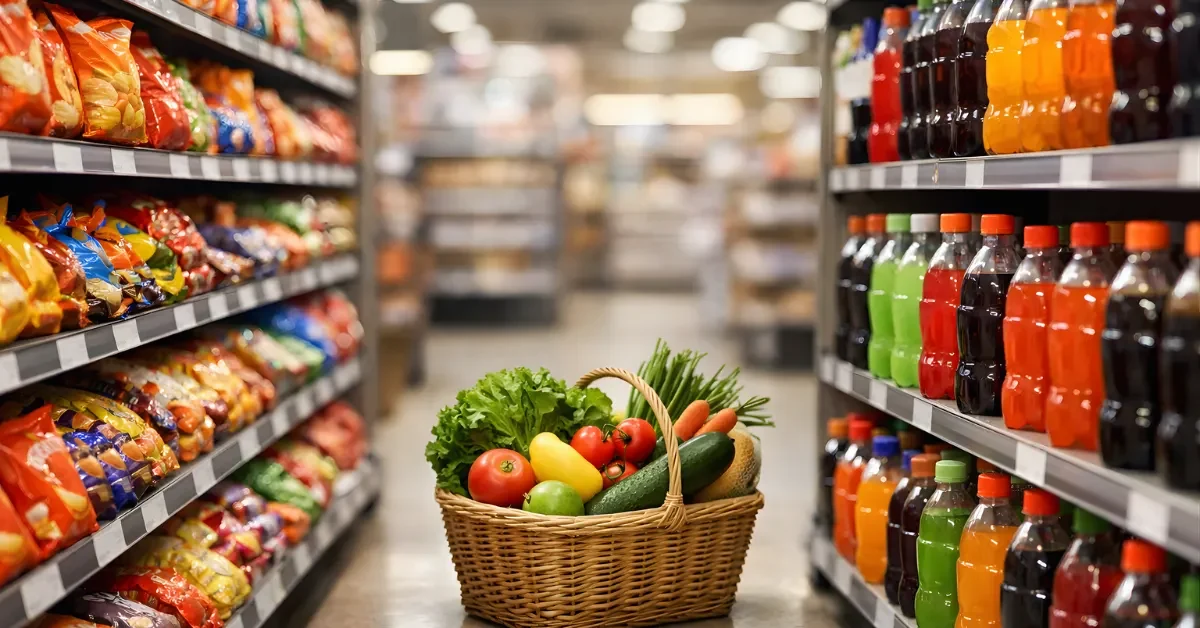
Ultra-processed foods are a major public health threat that governments should address urgently, according to a Lancet series written by dozens of experts. The reports say ultra-processed food consumption is rising worldwide and is linked in research to higher risks for multiple health problems, even as scientists debate how best to define these foods and what exactly drives the harms.
The Lancet series includes three papers that review evidence on health risks, describe how ultra-processed foods have expanded in diets, and argue that a small group of large corporations has helped reshape global eating patterns through marketing and industrial production methods. The authors also acknowledge criticism of the research and say more work is needed to explain cause and effect, but they argue the existing evidence is strong enough for policy action now.
What the Lancet authors are warning
One report describes the series as being authored by 43 global experts and says it includes the Brazilian professor who coined the term “ultra-processed foods” with colleagues around 15 years ago. At an online briefing described as taking place on Tuesday, Carlos Monteiro of the University of Sao Paulo said, “What we know right now justifies global public action.”
The experts say ultra-processed foods are increasingly common worldwide and are linked to poorer diet quality and a range of diseases, with one report naming conditions from obesity to cancer. Another report similarly says diets high in ultra-processed foods are linked to higher risks of diseases such as obesity, diabetes, heart problems, and early death.
How ultra-processed foods are defined
The reports describe ultra-processed foods (UPFs) as foods or drinks made using industrial processing techniques, additives, and industrial ingredients, and as mostly containing little whole foods. Examples cited include carbonated soft drinks and instant noodles.
One report notes that the concept has become widely used, but also says some scientists and the food industry argue the term is too simplistic and that the debate has become increasingly politicized. Another report highlights debate in scientific circles, including concerns that the term can be vague and that more research is needed.
What the evidence shows—and what it doesn’t
Across the series, the authors reviewed prior research and reported links between diets high in ultra-processed foods and chronic disease outcomes. In a systematic review of 104 long-term studies, one report says 92 studies found higher associated risks with one or more chronic diseases connected to ultra-processed dietary patterns, and it adds that significant associations were found for 12 health conditions including Type 2 diabetes, obesity, and depression.
Another report also describes a review of 104 studies and says eating a diet high in ultra-processed foods is linked to higher risk for multiple diseases. Both reports stress limits in the current evidence, noting that much of the research is observational and cannot directly prove cause and effect.
The reports also say the biological mechanisms behind such wide-ranging associations remain unclear. One report lists possible explanations, including higher calorie density, combinations of ingredients such as fat and sugar that may encourage overeating, softer textures that may allow faster consumption, and the possibility of harmful additives.
Rising consumption and the role of major companies
One paper in the series describes ultra-processed food consumption as increasing globally and says these foods account for more than half of calories consumed in the United States, Australia, and the UK. A separate report similarly says the share of ultra-processed foods in diets is rising worldwide and has climbed above 50% in countries such as the United States.
The third paper, as described in one report, places responsibility on a “handful” of massive corporations and says aggressive marketing has helped shift diets in recent decades toward products made with cheap ingredients and industrial methods. That report lists eight manufacturers—Nestle, PepsiCo, Unilever, Coca-Cola, Danone, Fomento Economico Mexicano, Mondelez, and Kraft Heinz—and says they accounted for 42% of the sector’s $1.5 trillion in assets in 2021.
Policy proposals and pushback
The reports describe several policy ideas, including front-of-pack warnings, marketing limits (especially advertising aimed at children), and taxes on certain ultra-processed foods, with revenue potentially used to make fresh food more affordable for low-income households. Another report says the papers propose integrating ultra-processed foods into national policies that already target foods high in fat, sugar, or salt.
At the same time, the authors argue that the ultra-processed food industry is the biggest barrier to tackling the issue. The International Food and Beverage Alliance, which one report describes as representing major multinational food and beverage companies, said its members also want to improve global health outcomes through diet quality and that food companies should be part of policymaking. In that same report, Secretary-General Rocco Renaldi is quoted saying, “The policy and advocacy recommendations of this series go far beyond the available evidence,” and warning of a risk to affordable, shelf-stable options globally.
The debate also extends to the Nova food classification system, which separates foods into four categories by level of processing and has been criticized for not accounting for nutrients such as fat, salt, and sugar. One report says this can place items often viewed as healthy—such as fake meat products, plant-based milks, some breads, and canned vegetables—into the ultra-processed category. The Lancet authors, as described in that report, say they welcome valid scientific criticism and call for future research to better isolate the effects of ultra-processing within the broad category.
