

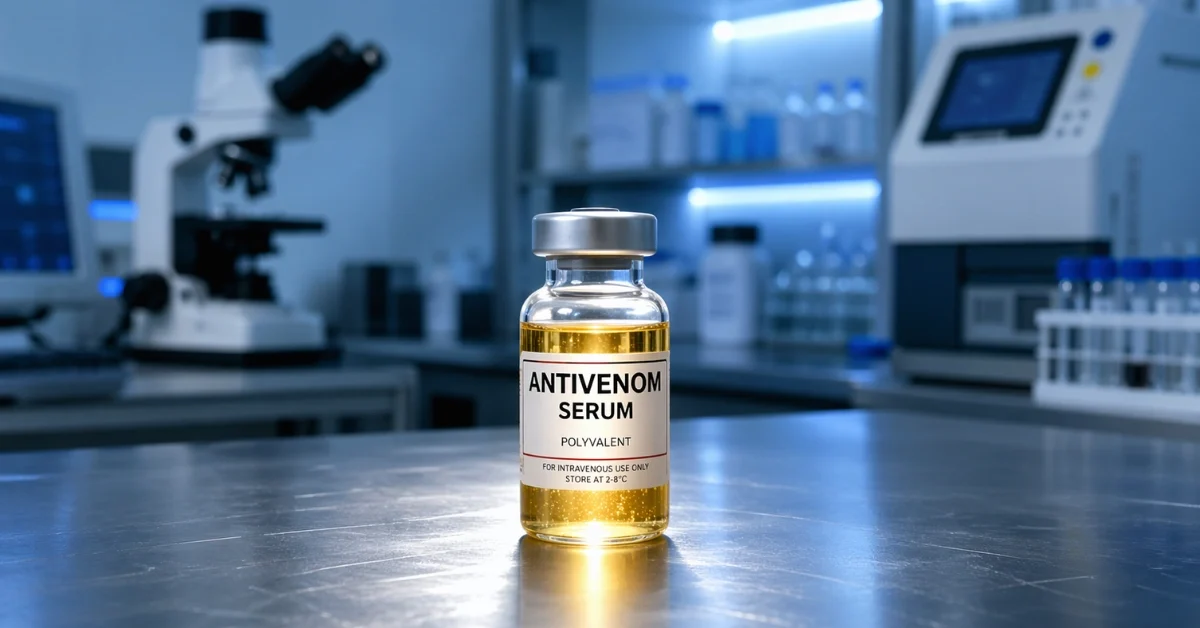
In a remarkable medical advancement, researchers are moving closer to developing a universal snake antivenom. This breakthrough treatment has demonstrated immense promise in laboratory settings and could completely transform how doctors treat one of the world’s most neglected public health emergencies. The foundation for this life-saving development comes from an unconventional source: a United States snake collector who spent nearly two decades intentionally exposing himself to venom.
The Global Impact of Snakebites
For generations, snakebites have presented a severe and deadly challenge for global healthcare systems. Every year, venomous snakes cause approximately 140,000 human fatalities worldwide. Beyond the death toll, an estimated 300,000 individuals suffer from permanent disabilities, which often result in necessary amputations or long-term physical impairments. This devastating impact is largely tied to the inherent limitations of current treatments, highlighting the desperate need for a universal snake antivenom.
Traditional antivenoms rely on outdated, century-old technology and are overwhelmingly species-specific. When a victim arrives at an emergency room, medical personnel must correctly identify the exact type of snake involved in the attack to administer the appropriate medicine. This strict requirement creates immense logistical hurdles. Clinics must store a vast array of different vials, and rural facilities frequently experience severe antivenom shortages. A single, broad-spectrum product could successfully unite a fragmented pharmaceutical market, significantly ease commercialization constraints, and ensure treatments reach the most vulnerable populations.
Tim Friede’s 18-Year Endeavor
The critical component of this newly formulated antivenom stems from Tim Friede, a dedicated snake enthusiast from the United States. Over an extensive 18-year period, Friede embarked on a highly dangerous personal mission to build immunity against the world’s most lethal reptiles. During this time, he voluntarily subjected himself to roughly 200 direct bites from venomous snakes.
In addition to surviving the physical bites, Friede deliberately self-administered more than 600 separate doses of snake venom. By continuously exposing his body to these toxic substances, he trained his immune response to broadly recognize and fight off deadly toxins. This unprecedented level of continuous exposure effectively transformed his blood into a valuable biological resource for medical researchers searching for a better treatment.
Formulating the Breakthrough Cocktail
Scientists closely analyzed the unique antibodies found in Friede’s blood to understand how his body survived these extreme, repeated exposures. Their groundbreaking research, which was recently published in the scientific journal Cell, successfully isolated the immune components responsible for his resistance.
To construct the new antivenom cocktail, the research team selected two broadly neutralizing antibodies extracted directly from his blood samples. Structural analysis of these distinct antibodies revealed that they specifically target active sites within snake toxin families. Because these active sites have remained relatively unchanged throughout the long process of evolution, the human antibodies can effectively recognize and neutralize toxins across multiple different snake species.
The researchers did not stop at antibodies alone. They expertly combined Friede’s two natural antibodies with a synthetic, small-molecule drug known as varespladib. Varespladib functions as a recognized venom inhibitor, adding a crucial extra layer of chemical defense against the neurotoxins. This combined three-part mixture currently stands as the most comprehensive antivenom ever formulated.
Promising Laboratory Results
The efficacy of this innovative cocktail was rigorously tested on laboratory mice. The animals were injected with lethal doses of venom gathered from 19 of the deadliest snake species on the planet, all belonging to the highly dangerous elapid family, which includes the notoriously lethal king cobra.
The results of these animal trials were highly encouraging. The newly developed medical treatment provided the mice with absolute, full protection against the venom of 13 different snake species. For the remaining six species tested during the trial, the cocktail still managed to offer partial protection against the lethal venom doses. These strong outcomes offer concrete evidence that a single therapeutic injection can effectively neutralize neurotoxins from a wide variety of deadly snakes without requiring a perfect species match.
Future Testing and Viper Research
With the experimental antivenom cocktail proving highly effective in laboratory mice, the scientific team is actively moving forward with real-world field testing. The upcoming phase of their study will shift to veterinary medicine, specifically focusing on treating dogs brought into animal clinics for severe snakebites across Australia.
Looking ahead, scientists anticipate that similar broadly neutralizing antibodies can be discovered to target other major snake toxin groups. While the current formulation shows unparalleled success against the elapid family, researchers hope to eventually engineer an equally potent antivenom specifically targeting vipers. Ultimately, this unusual collaboration between science and a dedicated snake collector could yield a single universal antivenom, permanently changing global emergency medicine and saving countless lives.
